
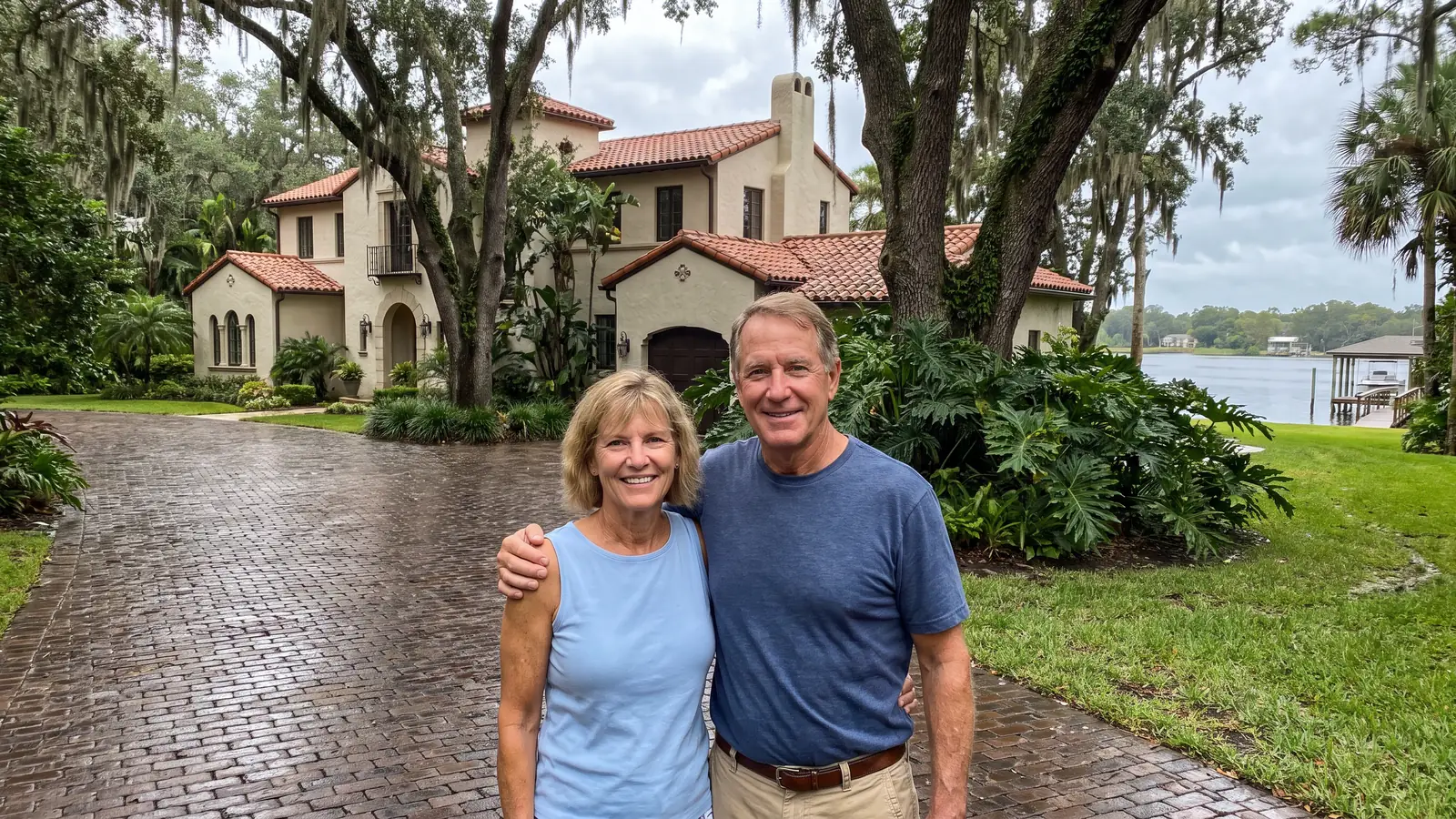
Paver sealing for Panama Park homes
Paver Sealing in Panama Park, FL
Wide water and old street trees keep Panama Park walks damp, so call (904) 567-0456 for a free sealing estimate.
- Brings out deeper paver color
- Fresh joint sand helps lock pavers in place
- Gives weeds less room to grow
- Makes the surface easier to keep clean
- Free estimate, no obligation
Request a Free Estimate
Free, no obligation.
Fast, careful paver sealing in Panama Park
Paver sealing is on offer in Panama Park, where the estimate is free and a local contractor does the cleaning, sanding and coating. Walkways, driveways and patios all qualify. Ask with request your free estimate, and a reply lands within 1 business day, usually much sooner. A walkway, a driveway or a back patio can each be quoted on its own.
Many front walks here are long, since early deeds set houses at least 25 feet back from the street. A long walk with a gray film and open joints is easy to spot from the curb. A clean, a refill of sand and one even coat can turn it into a single steady color, and to talk it over, call (904) 567-0456. The visit is free, and nothing is decided that day.
Panama Park pavers live near water and under old trees, and both leave marks. The contractor reads what is on your surface before pricing it. Tell them your street and how long the pavers have been down when you request your free estimate. The estimate is free.
Why hire a local paver sealing contractor in Panama Park?
River air, old street trees and long front walks all change a Panama Park paver job, so a contractor who knows the area helps. To hear what that means for your lot, request your free estimate.
A free walk-through
The contractor measures your Panama Park pavers and writes the price down. The visit costs nothing and binds you to nothing.
A range to hold bids to
Northeast Florida companies post $1.75 to $3.25 per square foot, and larger areas often cost less per foot. Compare any Panama Park quote.
A finish to match brick
Matte suits an old brick home, while a wet look adds depth but scuffs sooner. Ask to see each on a sample.
You keep control
You pick the date and decide whether to go ahead. Ask about timing around the rain.
Get Your Free Estimate in Panama Park
Tell us about your pavers in Panama Park.
Free, no obligation
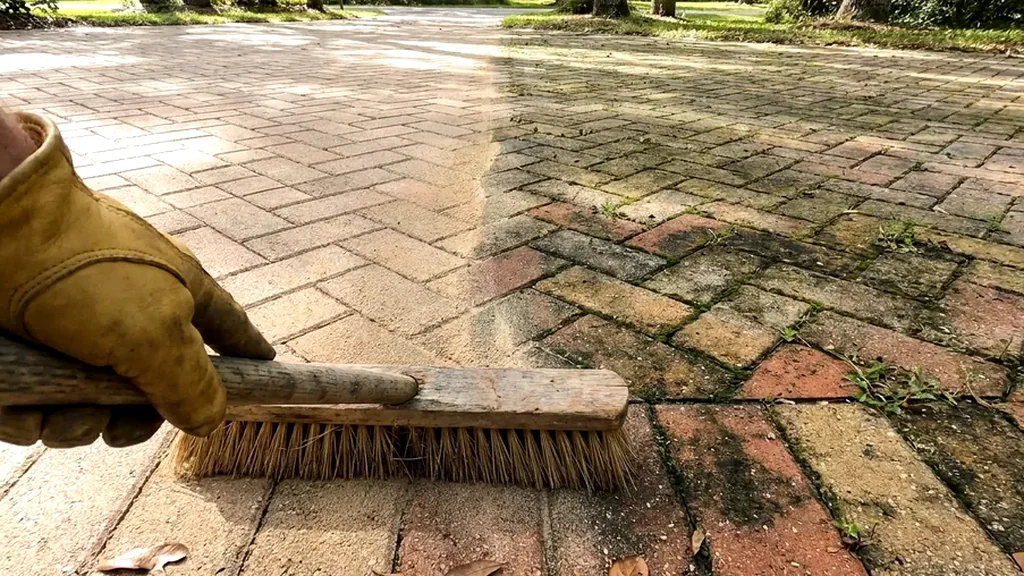
What paver problems show up most in Panama Park?
Damp air near two rivers
The Trout and St. Johns rivers frame Panama Park, which has miles of frontage on each. The lower Trout is brackish and nearly 0.6 miles wide at its widest. Moisture hangs longer near wide water. Moss, lichens and algae should not grow on concrete pavers unless an area is heavily shaded, which is why damp, shaded walks turn green first. That is why a sealer that sheds water, plus a thorough wash, matters more here than on a dry, open lot. Rinse water is steered away from the house and from the base of any trees. The Trout River is about 20 miles long and sits entirely inside Jacksonville's Northside, with its brackish lower stretch meeting the St. Johns near Panama Park.
Roots and tannin from old trees
An early description counted more than 8,000 trees on Panama Park's streets, including magnolias, oaks, olives and cedars. Leaf tannins, mildew and tree cover create different needs than an open driveway, says a paver company in nearby St. Johns County. Jax Exterior Cleaning adds that tree roots can crack pavers or lift a section, which must be reset before sealing. Walks that run under a canopy need a close look at every joint. The Buffalo Avenue park joined a tree-filled neighboring park after 1968, another sign of how much canopy the area holds.
Sand that leaves after heavy rain
Rain totals roughly 52 inches a year in Jacksonville, and most of it falls from May to September. The USDA says the Ortega soil series, first described in Duval County, is deep, moderately well drained sand whose water table stays up for a few days after heavy rain. One Jacksonville company says unsealed joint sand washes out and storm water erodes the base. Sinking pavers often follow. Refilling joints before the coat is what lets the sealer hold the sand. The same company says this can start a couple of years after installation.
Mixed ages on 1910-era lots
George W. Clark began selling Panama Park lots in 1910, and the city annexed the area in 1925. Homes here range from old brick to newer builds, so pavers may have been added at any time. A previous owner may have used an unknown product. Water-based sealer cannot go over solvent-based sealer, so the contractor finds out what is there first. An old receipt or a neighbor's memory can help. A Jacksonville company says an earlier oil-based coat must be stripped first. Near 44th Street most residences are brick, so many pavers sit beside brick walls and steps.
Rust, oil and fertilizer marks
One Jacksonville company says driveways collect oil drips, tire marks, rust from irrigation water and fertilizer stains blown off the lawn. UF/IFAS adds that most Florida well water is high in iron. Sealing locks in whatever is on the surface, so these marks are pre-treated first, and some deep stains will not come out completely. Ask the contractor what to expect on yours. A fresh coat then makes later cleanups easier. A Jacksonville exterior cleaning company adds that many Florida homes need exterior cleaning once or twice a year.
What does a long Panama Park front walk cost to seal?
It depends on measured square feet, with the published range at $1.75 to $3.25 per square foot for a full clean, sand and seal. Early Panama Park deeds set homes at least 25 feet back from the street, so many walks are long. A Jacksonville cost guide says larger projects spread setup time and cost less per foot. Share your walk's length when you request your free estimate.
Where you live in Panama Park matters for the visit. Evergreen Avenue was the early neighborhood shopping street, and the railroad splits the community. The southern edge runs along Main Street, East 63rd Street and the CSX tracks. Call (904) 567-0456 and say which side of the tracks you are on so the contractor can plan the route.
Ownership also shapes the plan. In ZIP code 32208, owners occupy about 57 percent of occupied units, so many homeowners are making their own calls about finish and timing. Others rent and need an owner's approval first. If you are not the owner, ask before you request your free estimate, and have the owner's contact ready.
What does paver sealing cost in Panama Park?
For the full wash, sand and seal, Northeast Florida companies post $1.75 to $3.25 per square foot. Safe Touch says a failed old coat costs more because it must come off first. Long, narrow walks add surface but not much setup, so the rate may ease. To price your Panama Park pavers, request your free estimate.
A few things push a quote up. Failed sealer, empty joints and deep stains all add work. A locked gate, stairs or a tight side yard adds prep time, one Jacksonville cost guide says. Call (904) 567-0456 and the contractor can explain which of these fit your lot before a date is set.
| Paved area | Typical example | Clean, sand and seal |
|---|---|---|
| 300 sq ft | Small patio or walkway | $525 to $975 |
| 600 sq ft | Two car driveway | $1,050 to $1,950 |
| 1,000 sq ft | Large driveway or pool deck | $1,750 to $3,250 |
| 1,500 sq ft | Driveway plus pool deck | $2,625 to $4,875 |
Math based on the $1.75 to $3.25 per square foot that Northeast Florida paver companies publish. Your contractor sets the actual price after seeing the surface. Repairs, leveling and stripping failed sealer are usually extra.
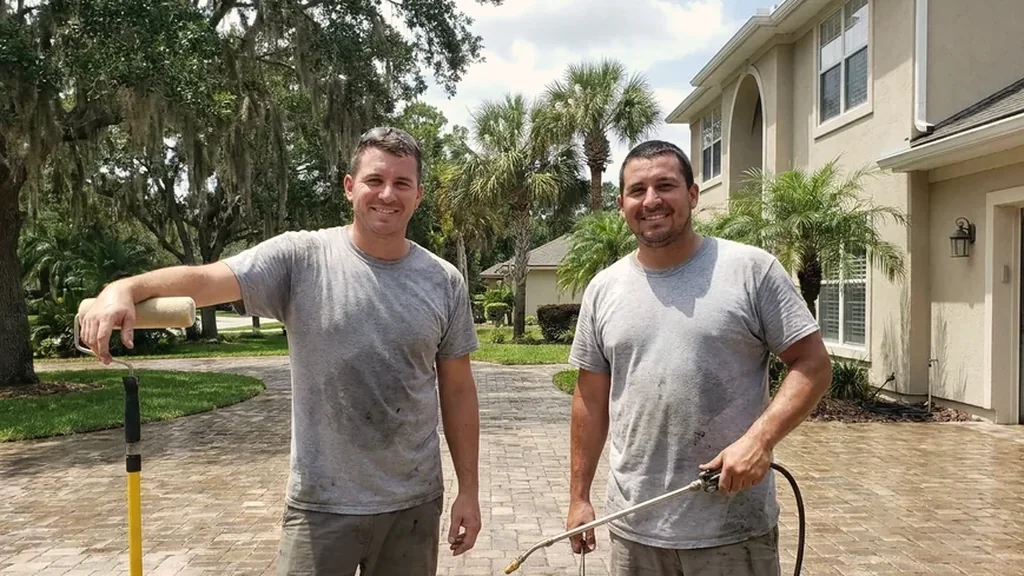
How does a paver sealing job work in Panama Park?
Walk the lot and measure each area
The contractor walks the whole Panama Park lot, from the front walk to the back patio, and measures every paver area. Roots that have lifted a section are marked for repair, since sealing preserves a lifted spot. Any earlier coat is identified. The visit ends with a price based on square feet. Photos of the long front walk help the contractor see how it runs. Gates, steps and tight side yards are noted, since they add prep time.
Wash off green film and tannin
Next the pavers are washed. Green film, leaf tannin and oil or rust spots are treated, then rinsed. PaverGuard says harsh high-pressure washing can loosen joints and wear the surface, so pressure is kept sensible. Rinse water is directed away from beds and from the base of old trees. Pre-treating rust and oil first keeps them from spreading as the wash runs. Pavers that sit close to an old brick wall get a lighter hand. A Jacksonville company says pavers turn white mostly from trapped moisture, failed sealer, over-application or poor prep, which is why a thorough clean and a full dry matter.
Restore the sand between pavers
Washing pulls out joint sand, so it is replaced and swept firm before sealing. On this sandy ground, storms carry sand out of unsealed joints. Joints packed full resist soil and weed roots. A long walk may need a fair amount of sand. Sand is matched to the paver color when you ask.
Let the shaded edges dry
One bulletin asks for a full day of drying after cleaning or rain to avoid trapping moisture, plus another dry day after the coat. Damp spots under old trees dry last. A contractor who knows that will check the shaded edges before opening a can. If the forecast turns, the day moves. Patience at this stage protects the finish for years. Heavy downpours wash sand out of unsealed joints, so a wet week is also a reason to hold off.
Coat, back-roll and cure
A spray pass comes first, then a back-roll presses the sealer into the joints. You pick matte or a wet look, and a wet look shows scuffs sooner. A few hours is enough before people walk on it, while cars need about a day. Ask for the product name, since sealer wears with sun, rain and traffic. A last walk-through lets you point out any spot that looks thin. You choose the sheen before the can is opened. Ask whether the finish is film-forming or penetrating, since a film-forming coat is usually redone every three to five years.
Complete paver services in Panama Park
A Panama Park job runs in four steps: wash, re-sand, dry and seal. The last step waits for dry pavers, and the first waits for a clear day. Long walks take more time than short ones, though the stages do not change, and shaded stretches dry last. To ask how long each would take on your lot, call (904) 567-0456.
Front walks, driveways and back patios each wear differently. Walks under old magnolias pick up tannin, driveways take tires and oil, and patios by the shade collect green film. Each may suit a different finish. Tell the contractor which surfaces you want done when you request your free estimate.
Sealer choice starts with the kind. Acrylics that form a film sit on top and steady joint sand, a trade supplier says, while silane and siloxane products soak in without changing the look. Stallone's Pro Wash lists four finishes, from high gloss to natural matte. To talk through which fits, call (904) 567-0456.
Rain decides the calendar. Jacksonville's wet months run from May to September, and its driest stretch runs from November through April. A dry week lets pavers dry after washing and cure after the coat. For a date that suits your Panama Park street, request your free estimate.
Questions to ask before you hire
- What protects my shrubs and flower beds while the sealer is going down?
- Will a sealed finish make my steps and pool surround slippery when wet?
- How will I know when the driveway is ready for another coat?
- Do you work around my sprinkler heads and landscape lights?
- Will the estimate show the square feet you measured and the price for each square foot?
- Who tells me when rain pushes the job to another day?
- How long should cars stay off the driveway after the last coat?
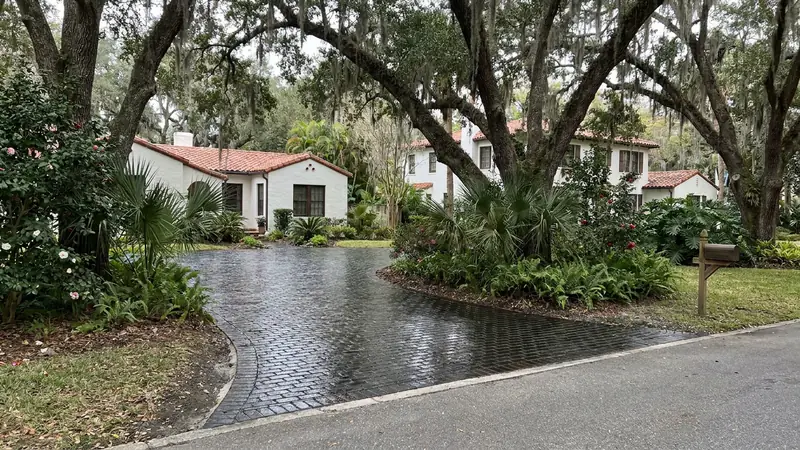
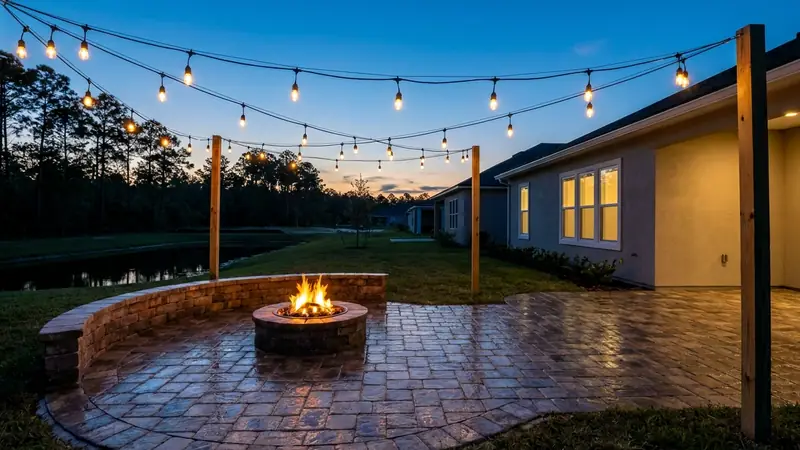
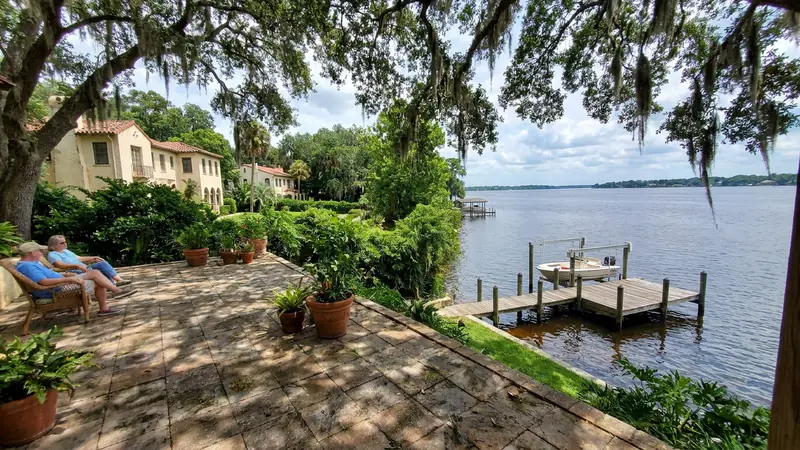
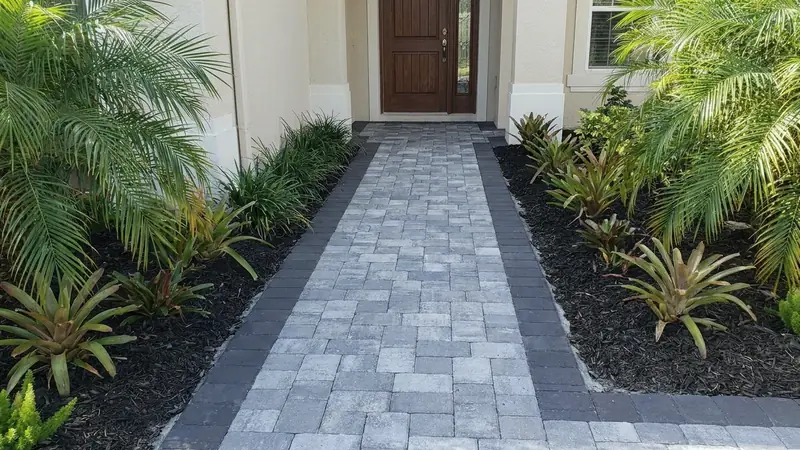
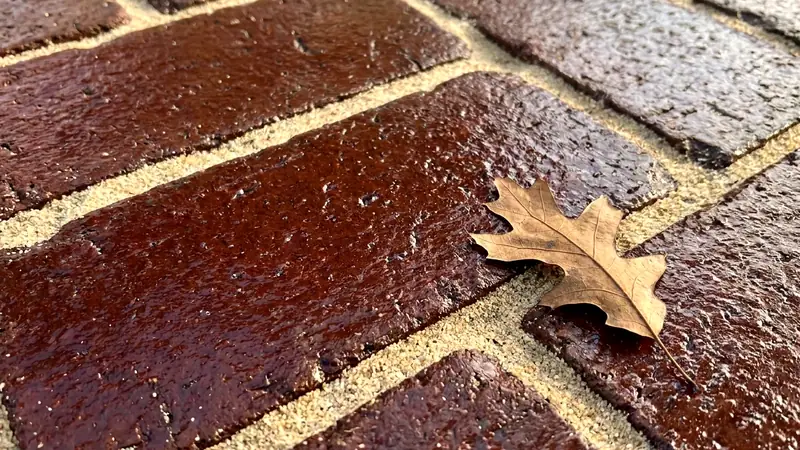
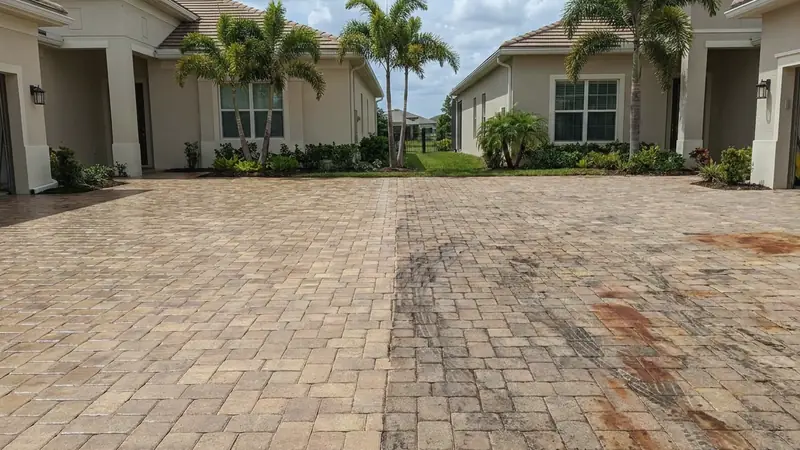
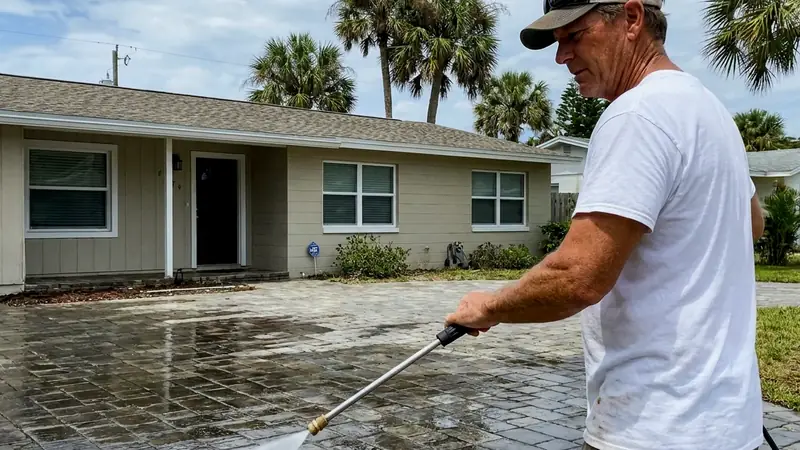
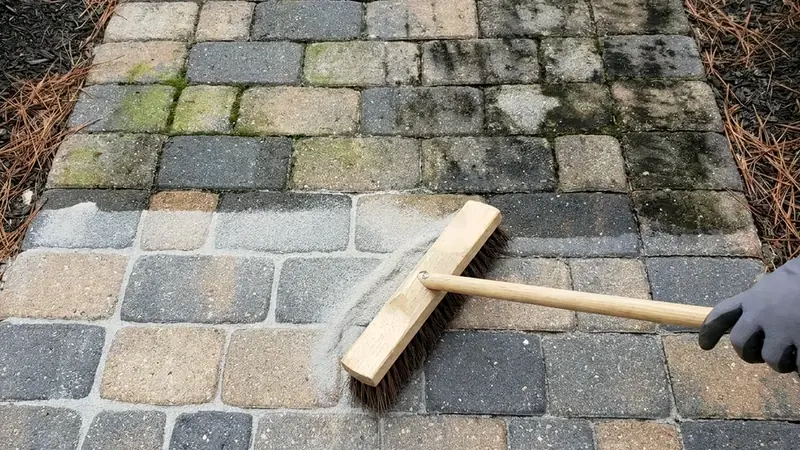
What do sealed pavers look like around Panama Park?
Why local matters in Panama Park
A contractor who works the Northside knows Panama Park is about five miles north of downtown and sits between two rivers. Damp air, wide water and old trees come with that. Knowing it ahead shortens the first visit. To reach a contractor who knows the Northside, call (904) 567-0456.
Old trees are a second reason. Panama Park's streets were once described as lined with more than 8,000 trees, and many survive. A local contractor expects roots under walks and tannin on drives. You can request your free estimate and mention any spot where a root has pushed a paver up.
Age is the third. Lots here have been sold since 1910, and some pavers were laid decades ago by owners long gone. A contractor used to this asks about history before choosing what goes on. Share what you know when you request your free estimate.
Was Panama Park a lumber town before it was a suburb?
Yes, in a way. Charles Sibbald built East Florida's first steam-powered sawmill at Panama Park in 1828, and Cummer Lumber Company was founded here in 1896. The first plat came in 1879, and a railroad depot opened in 1880. If your street grew from that era, request your free estimate.
Lola M. Culver Elementary, opened in 1916, has two towers crowned with terracotta eagles. The park at 6912 Buffalo Avenue dates to 1929, and the swing bridge over the Trout River dates to 1938. If one of these is near you, call (904) 567-0456 and name your street.
Frequently Asked Questions
What is the cost per square foot to seal pavers in Panama Park?
A Panama Park walk or drive is priced at $1.75 to $3.25 per square foot to clean, sand and seal, going by Northeast Florida companies. Size, old sealer and stains move it within that range. Ask that the measured square feet be listed on the quote. Failed old sealer and stains push toward the top. Bundling a walk with a drive can spread setup time. Safe Touch lists the same range on its Jacksonville page.
Is sealing good for Panama Park pavers in Florida?
Yes, for most pavers. A Jacksonville company says sealing slows Florida sun fade and helps pavers shed oil and dirt. Sealer wears with sun, rain and traffic, so it needs renewing. Ask which finish fits your pavers. Panama Park's mix of shade and open sun means some pavers fade while others turn green.
How long do paver sealers last near the Trout River?
Companies in the area commonly quote two to five years. Film-forming sealers are redone every three to five years, and penetrating ones last roughly five to seven. A coat that no longer beads water, and lets it soak in fast, is due for renewal. Shade and tires can shorten that span.
Can I get my pavers cleaned, sand refilled and sealed as one job in Panama Park?
Yes, a contractor handles them together, and prices are quoted per square foot for the whole sequence. The wash comes first, then sand, then a dry surface, then sealer. Each step protects the next. Ask the contractor for the full sequence in writing. Skipping a step usually shows within a season.
Do tree roots change how Panama Park pavers get sealed?
They can. Jax Exterior Cleaning says roots can crack pavers or lift a section, and sealing preserves whatever is there. A lifted or sunken area is reset before the coat goes on. Photos of any lifted spots help at the first visit.
How soon after rain can Panama Park pavers be sealed?
Wait for a fully dry surface, about 24 hours after rain or cleaning on one manufacturer's guidance. Damp spots under old trees dry last. Sealing damp pavers can turn the coat white or blotchy. The contractor may move the day if the forecast turns. Shade and wide water can slow drying beside the river.
Will sealer cover an old rust or oil stain on my Panama Park pavers?
It will not hide it. Sealing locks in whatever is on the surface, so oil and rust are pre-treated first. Some deep stains will not come out completely, and the contractor should say so before work begins. A pre-treatment helps but cannot promise a perfect result.
Which finish suits a Panama Park brick home?
Matte keeps pavers quiet beside brick, and a wet look adds depth but shows scuffs sooner. Stallone's Pro Wash lists four options, from high gloss to a penetrating natural stone finish. Ask to see a sample before you choose. Natural stone and brick may need a different product.
Nearby areas we serve
Ready for a Free Estimate in Panama Park?
Call (904) 567-0456 and tell us about your pavers.
Free, no obligation